
HOW TO CREATE A BRITISH HERITAGE SCHEME FOR YOUR HOME
THE NEW YEAR HAS A WAY OF SHARPENING OUR SENSE OF POSSIBILITY.
It’s a natural moment to pause, reassess, and make decisive changes — not just to how we live, but how our homes make us feel. If you have long admired British heritage interiors and quietly dreamed of creating a room or an entire scheme in this style, the start of the year is the perfect time to commit to that vision.
British heritage interiors are rich, layered, and deeply atmospheric. They speak of country houses, craftsmanship, and rooms that have evolved over time. Spaces designed to be lived in, not merely looked at. Embracing this style isn’t about fleeting trends or decorative updates; it’s about creating a home with depth, comfort, and enduring appeal. With a thoughtful approach, British heritage style can feel both rooted in history and entirely appropriate for contemporary living, and the New Year offers the ideal opportunity to begin. Here are ten guiding principles to help you get there.
NO.1
MIX CLASSIC HERITAGE SILHOUETTES WITH CONTEMPORARY PIECES
British heritage interiors are anchored by recognisable shapes: wingback chairs, deep buttoning, studded edges, rolled arms, silhouettes that instantly evoke the country house. Spend time with reference books and archival images to identify which forms and details resonate with you. Then, crucially, balance them with something modern: a leather occasional table, a glass console, or a piece with crisp, clean lines. A helpful rule of thumb is two heritage-influenced pieces to every one contemporary element. This keeps the room feeling fresh rather than nostalgic.
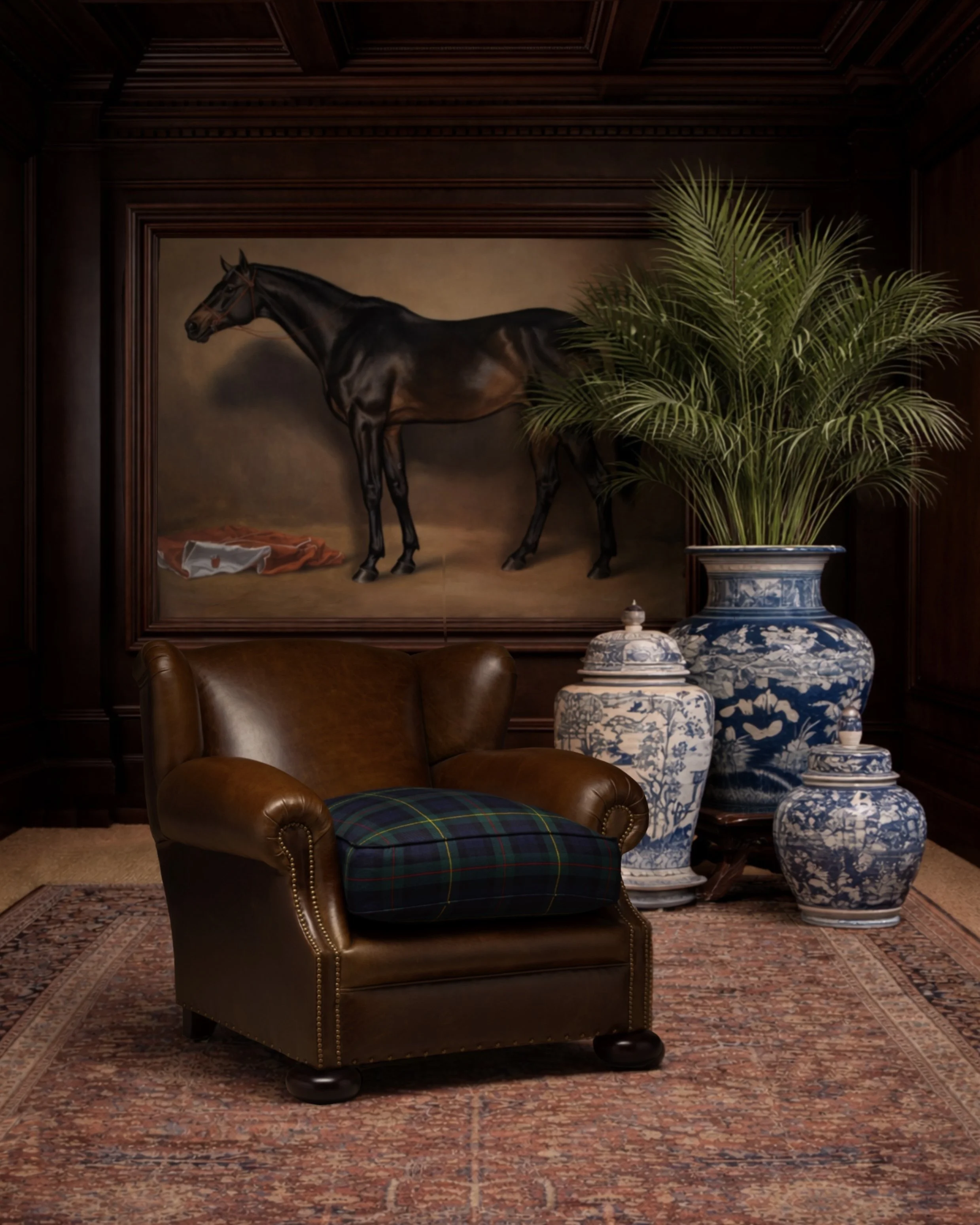
The Wincaster Wing Club Chair from Oliver Thornton Home references classic wingback and club chairs
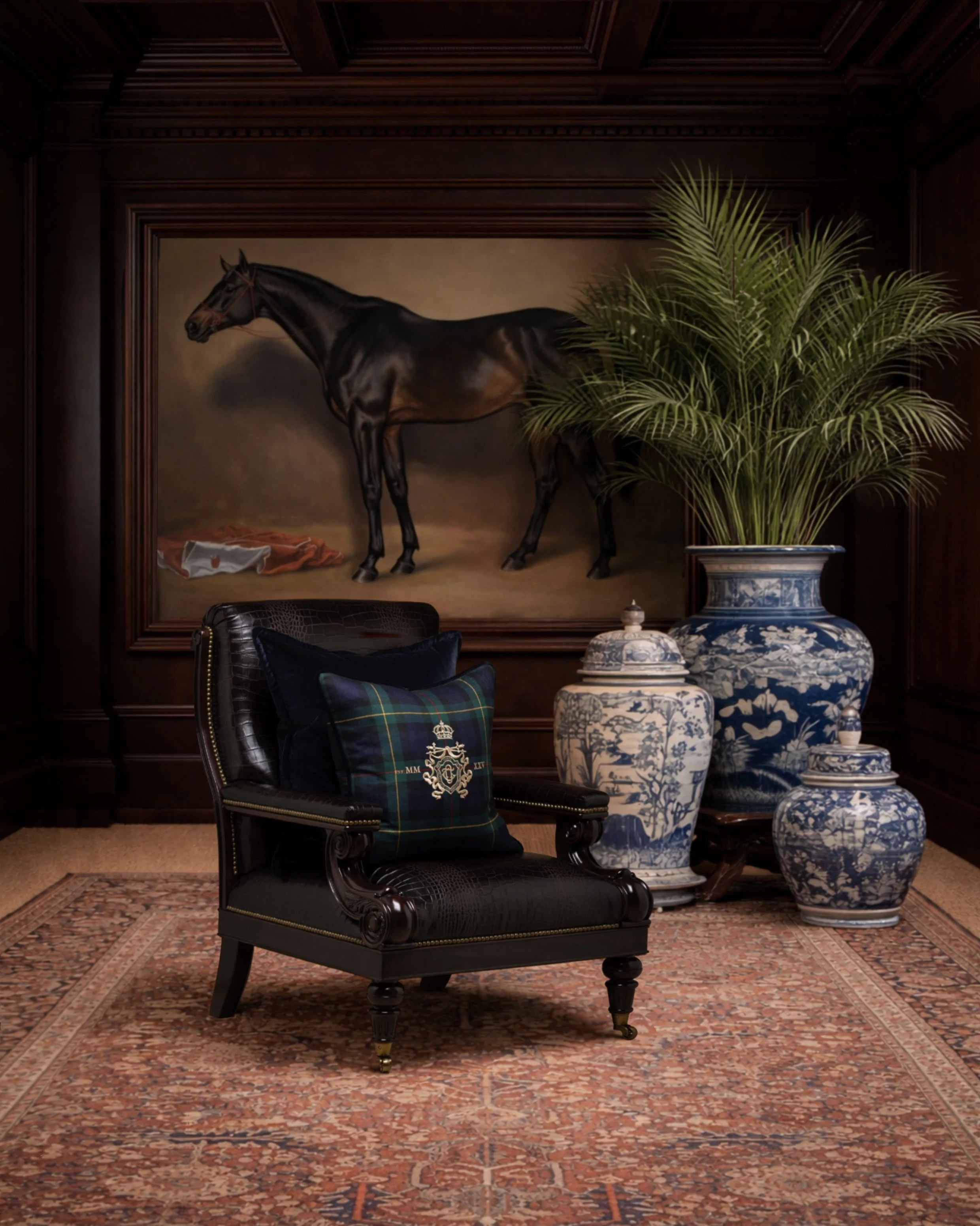
The Twickenham Library Chair from Oliver Thornton Home is inspired by commemorative furniture from the late 1800’s
No.2
ENSURE THAT ONE KEY PIECE OF FURNITURE HAS A SKIRT
A skirted piece of furniture, whether a sofa, armchair, or ottoman, adds softness and gravitas. Think carefully about the relationship between skirts and legs throughout the room so you achieve a balanced mix rather than visual monotony. Seat height matters too: legs and bases affect how furniture sits in the space. Aim for an even seat height across chairs and sofas to create a calm, cohesive feel.
No.3
MORE IS MORE
One of the most common mistakes is under-furnishing. British interiors thrive on abundance and layering. Avoid pushing everything to the edges of the room; instead, bring furniture into the centre. Add console tables behind sofas, side tables beside chairs, hall chairs, benches, and stools to support the main pieces. Once you think you’re done, challenge yourself to see if there’s room for one or two more carefully chosen items. Often, there is.
No.4
PRIORITISE COMFORT ABOVE ALL
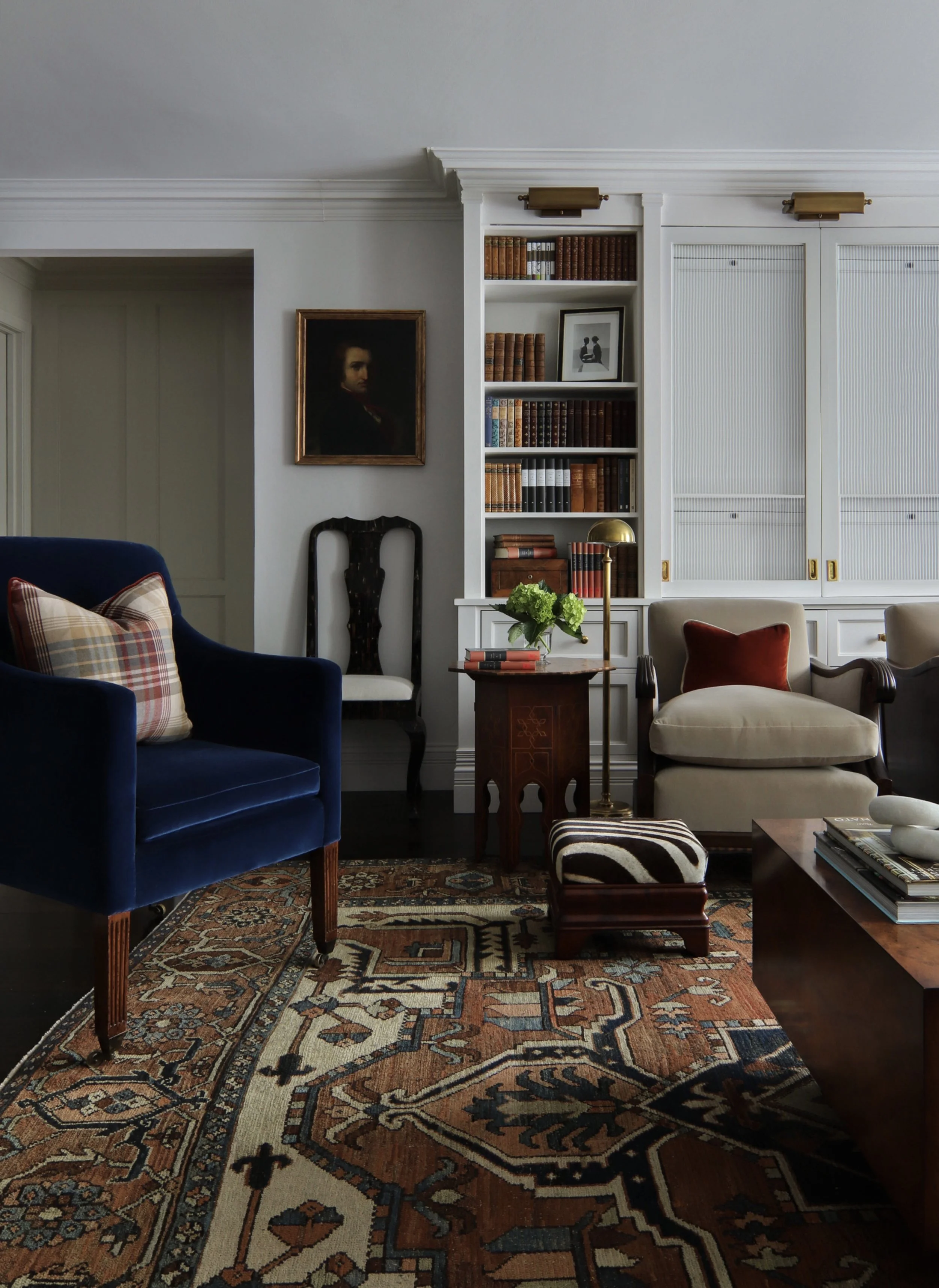
British style is inherently welcoming. Choose furniture with oversized arms, generous proportions, and deep seats that invite you to sink in. A room should feel enveloping rather than sparse. Comfort isn’t just physical, it’s emotional. The space should make you want to linger, read, talk, and relax.
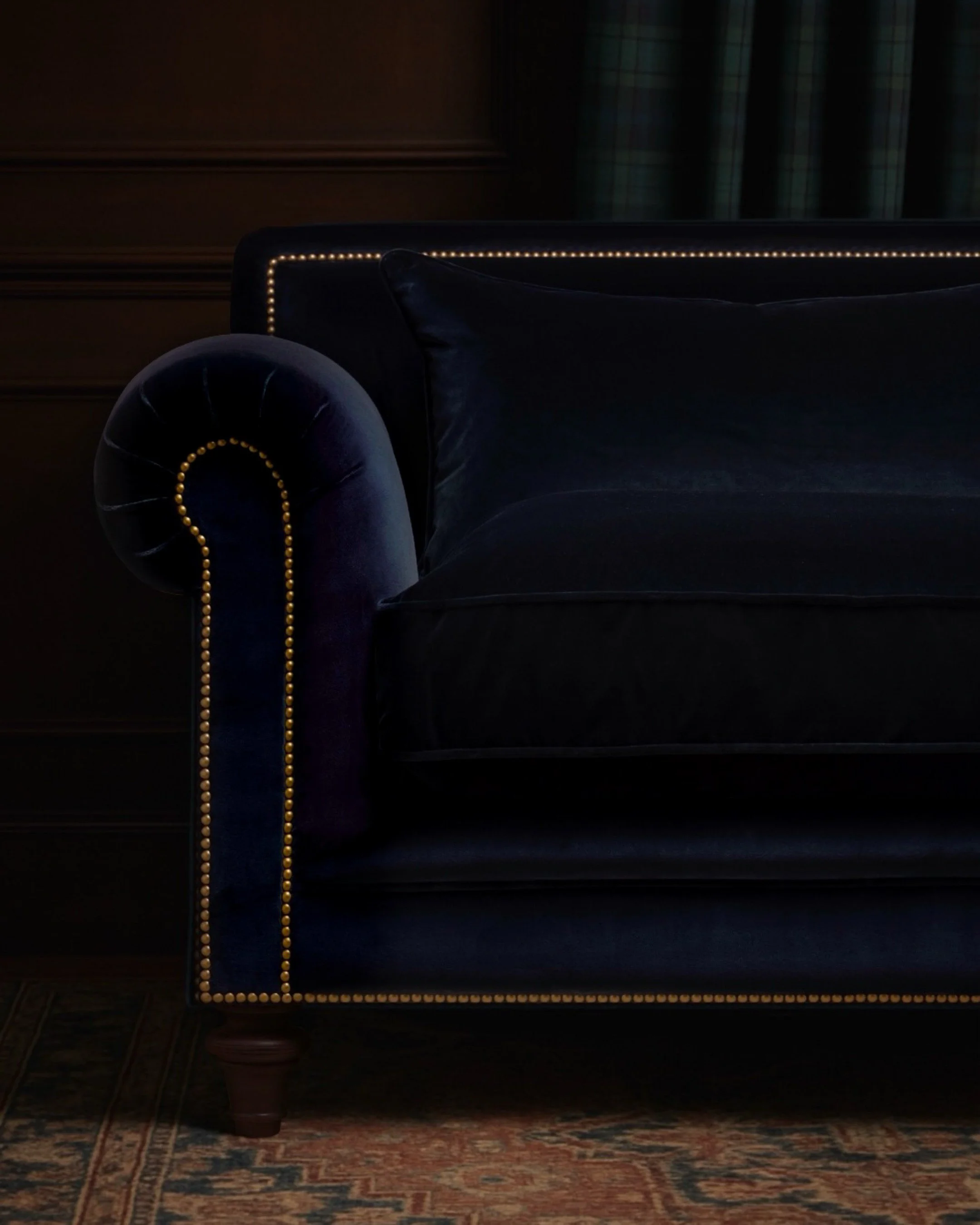
The Haddleigh Sofa from Oliver Thornton Home has generous, reassuringly substantial arms and a soft, supported sink
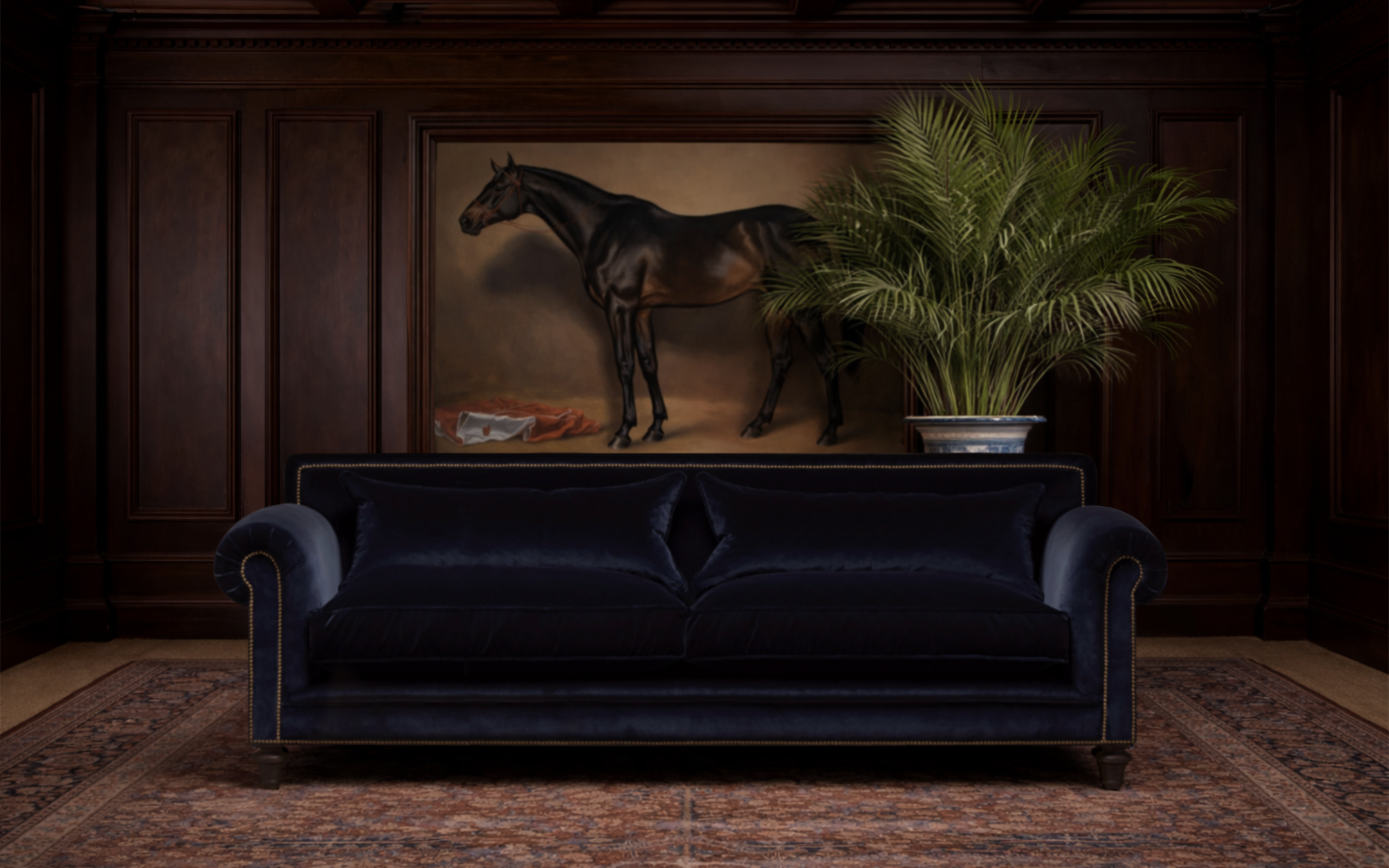
The Haddleigh Sofa from Oliver Thornton Home has generous, reassuringly substantial arms and a soft, supported sink
No.5
ADD A HOME BAR
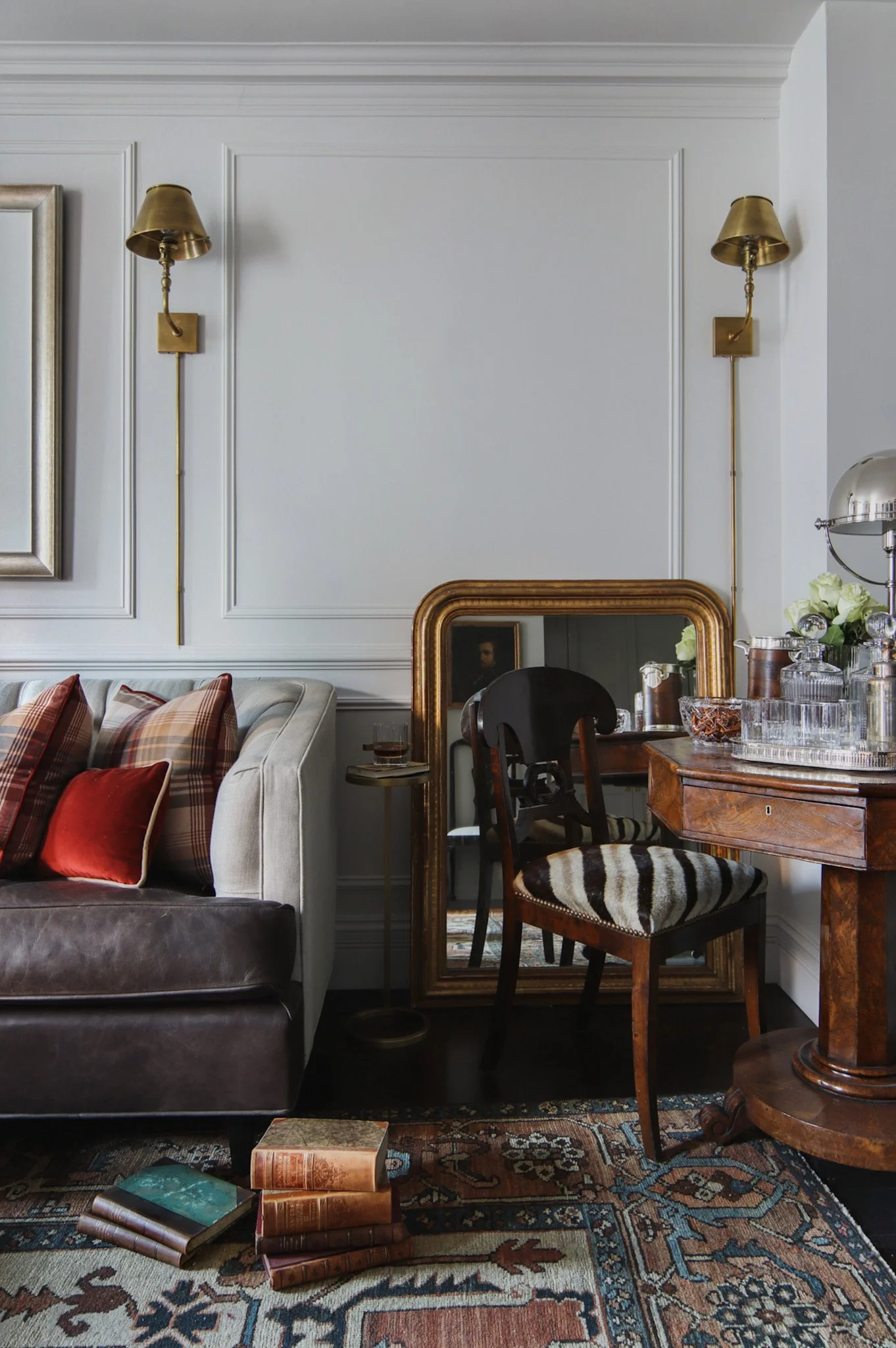
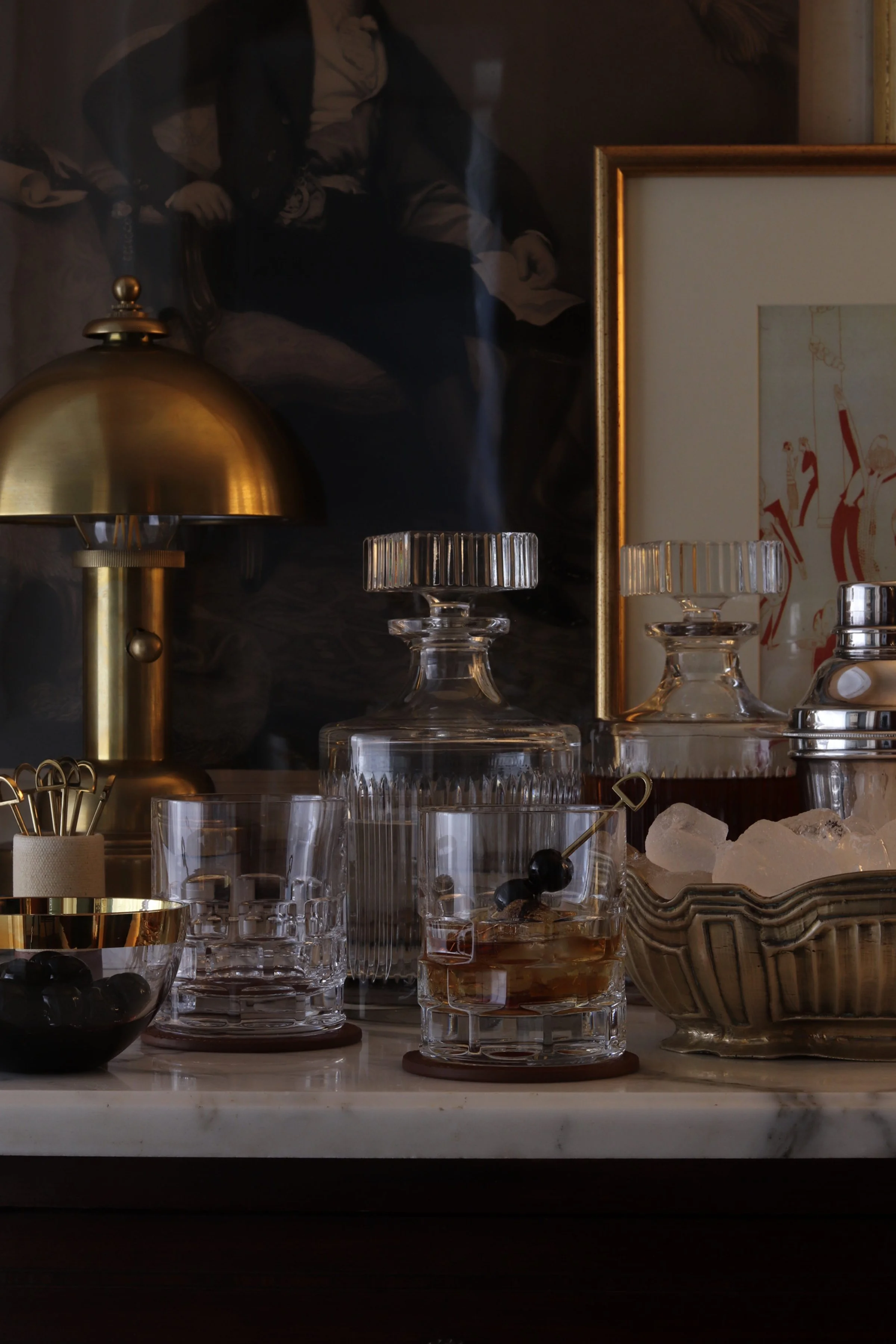
Almost any room is elevated by the presence of a small home bar. It introduces ritual, hospitality, and a sense of occasion. Style it on a tray with beautiful barware, your favourite liqueur, and a cocktail shaker. Layer in texture with details like cocktail sticks, an antique nut bowl, a small bar lamp, and a few well-chosen cocktail books.
No.6
WORK WITH A LOCAL UPHOLSTERER ON ONE PIECE
Re-upholstering a single antique occasional chair is a meaningful way to add individuality to your scheme. It ensures you have something truly unique while supporting local craftsmanship. Choose a fabric that complements the room but isn’t overly cautious — this piece can become a focal point with real character.
No.7
NEVER SCRIMP ON CURTAINS
Curtains are transformative. They frame the room and instantly add luxury. Work with a local curtain maker and opt for bespoke if possible. Use a metal pole with rings and have the curtains made to skim or gently puddle on the floor. Include a thick interliner and lining so they feel heavy and substantial. Skip tiebacks, letting them fall straight feels cleaner and more contemporary.
No.8
USE HERITAGE FABRICS IN A MODERN WAY
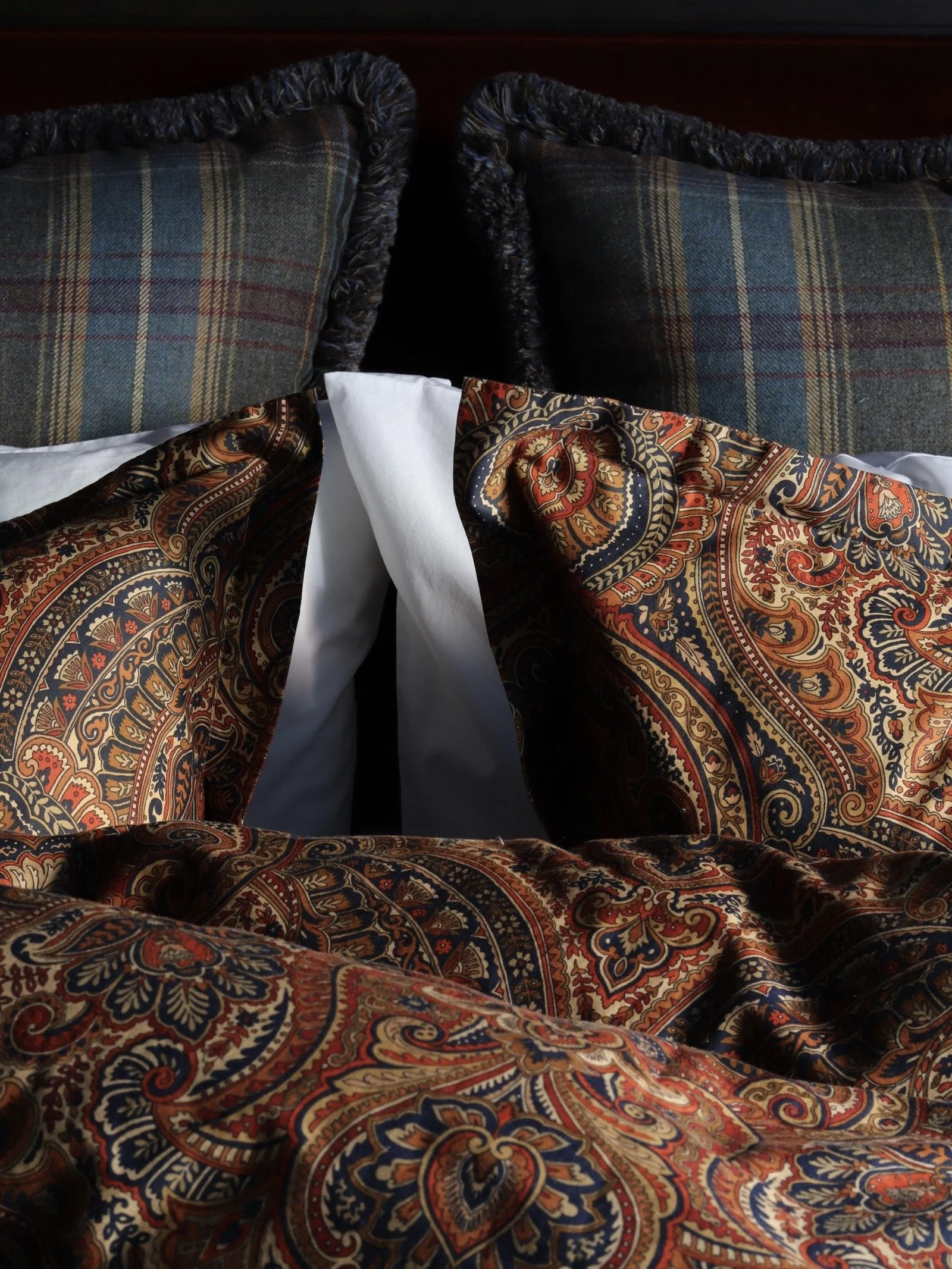
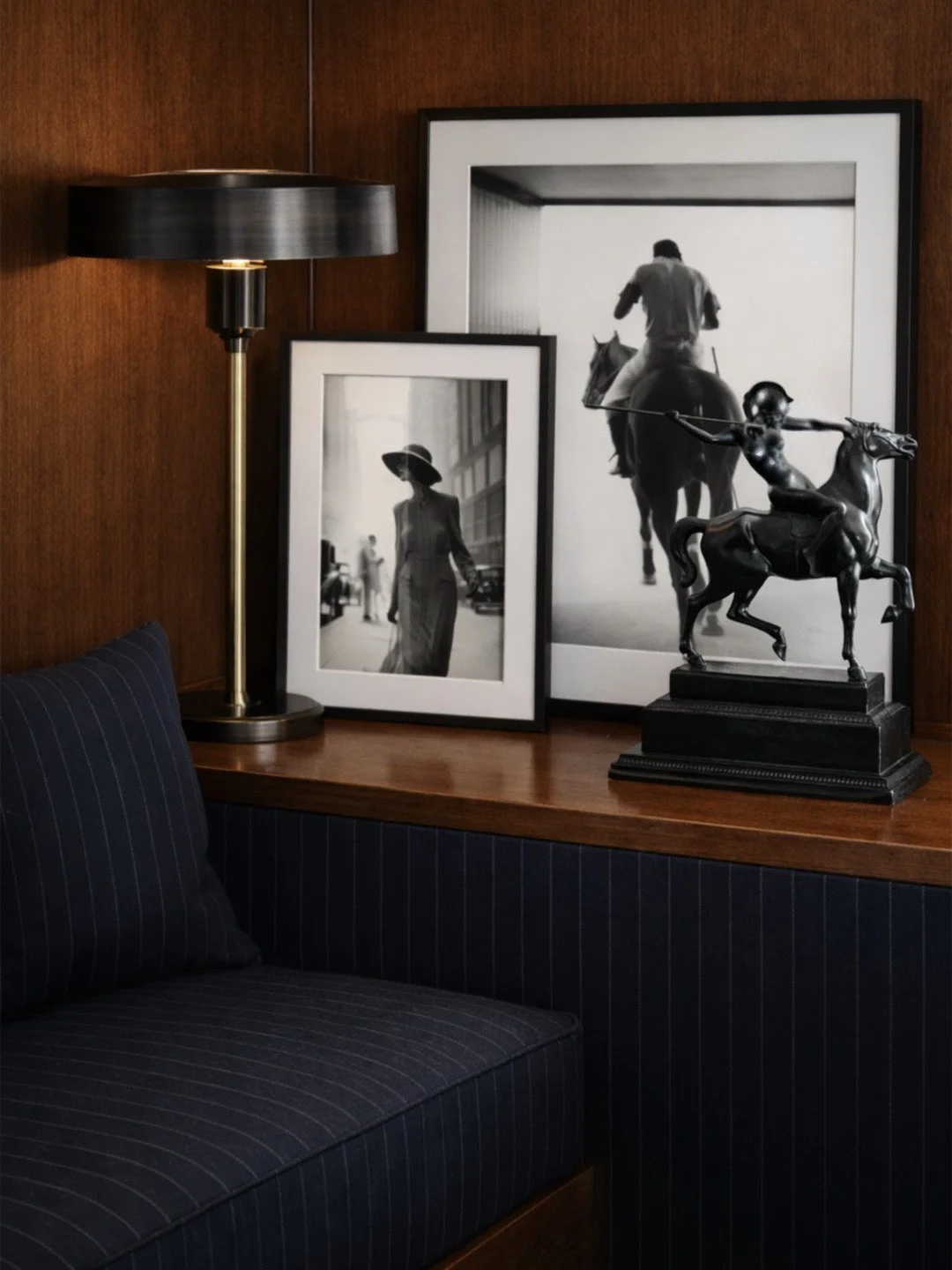
Classic tailoring fabrics; pinstripes, checks, tartans, are central to British heritage style. The trick is to layer them confidently. Mix patterns rather than matching them, creating a pleasing, considered clash. When used with intention, these fabrics feel timeless rather than traditional.
No.9
EMBRACE LAYERING EVERYWHERE
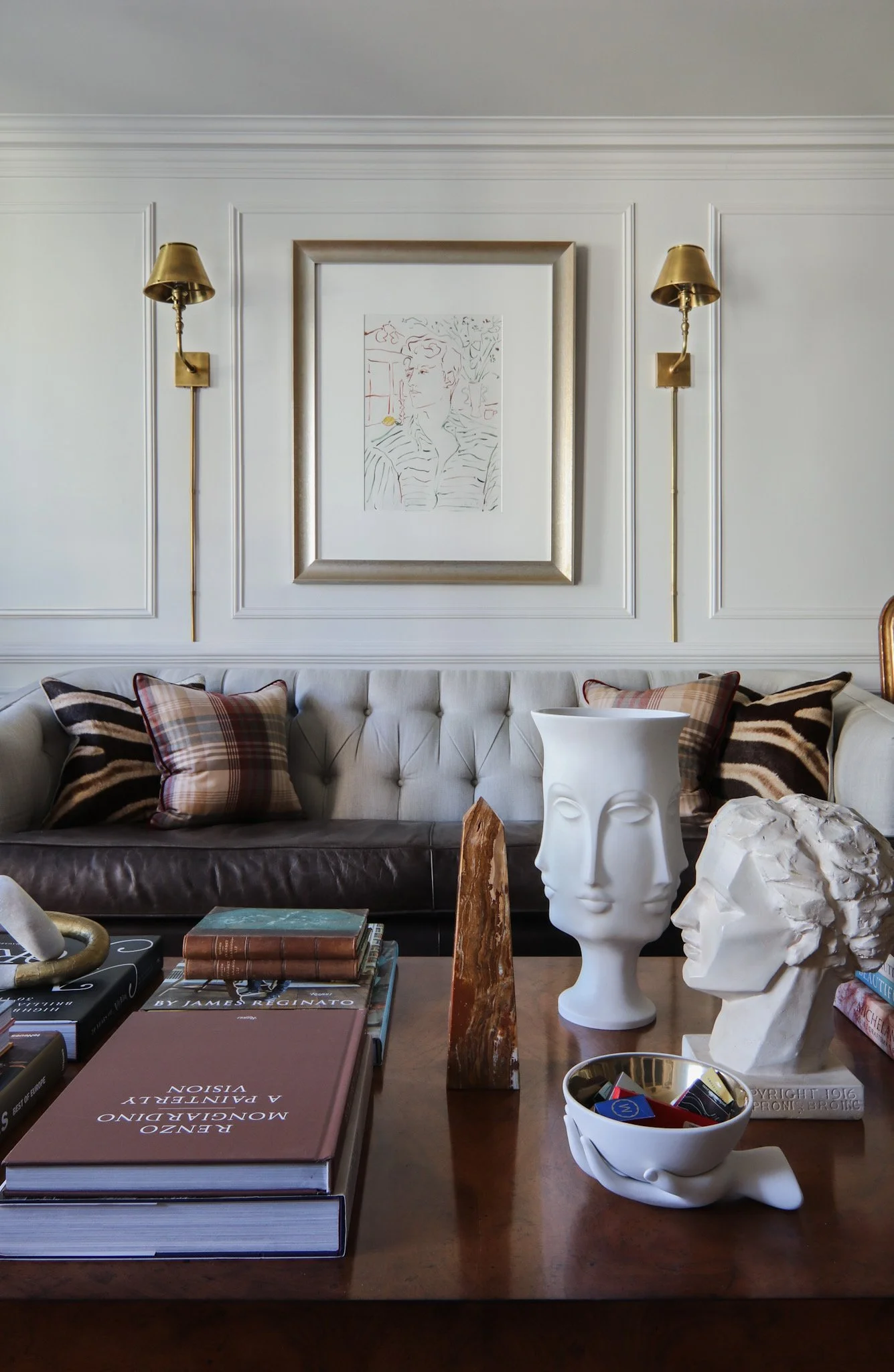
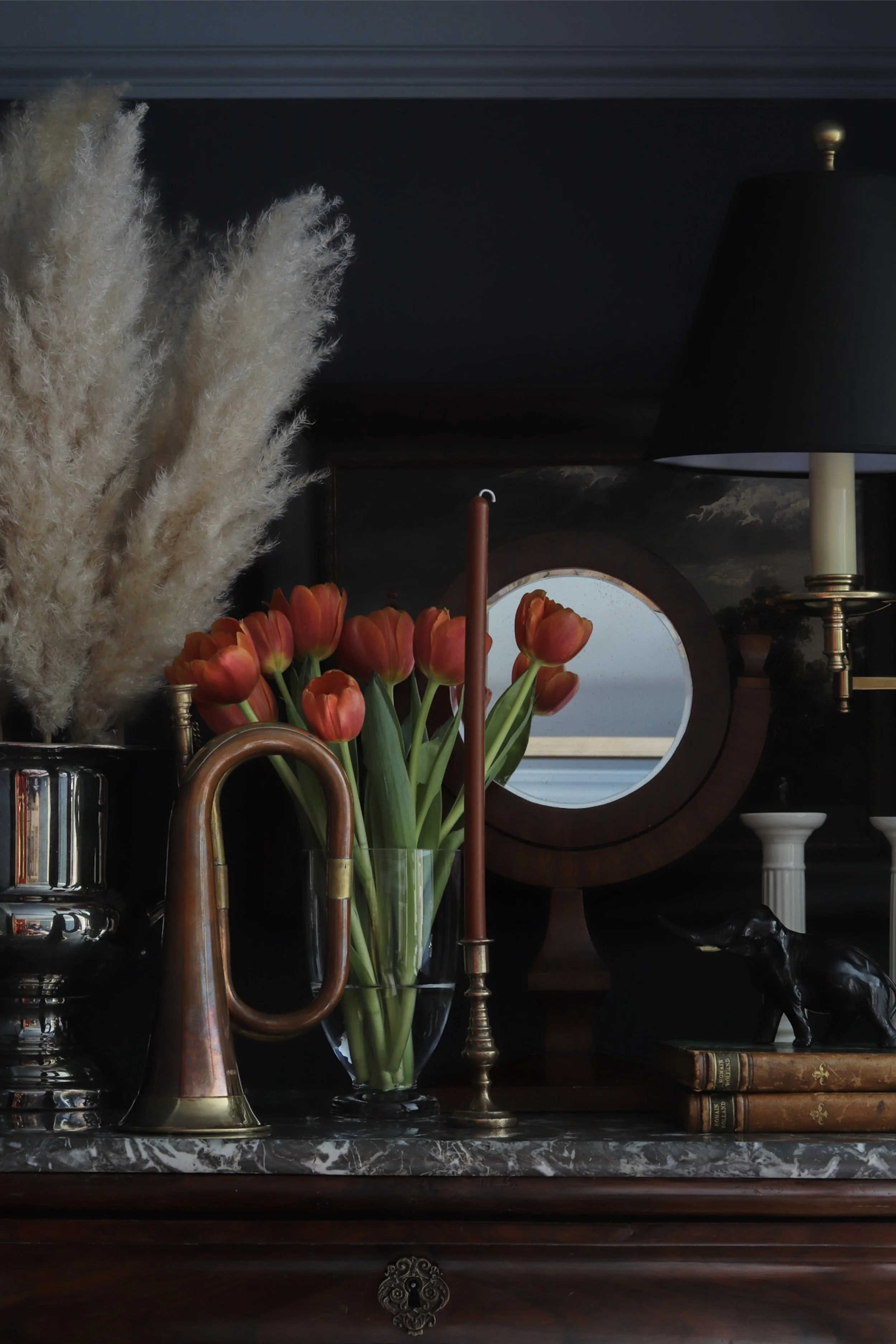
Layering is the soul of this look. Create tableaus on surfaces using books, decorative objects, and personal items. Add cushions with trims, artworks, rugs, and accessories. Think of it as organised clutter: every item should be considered and loved. Extend this mindset to finishes too; wallpapers, wooden panelling and marble alongside painted finishes. Ask yourself if each surface could benefit from one more thoughtful layer of detail.
No.10
INTRODUCE A BOUQUET OF FRESH CUT FLOWERS
Finally, nothing brings a room to life quite like fresh flowers. Depending on the setting, choose a bouquet over a houseplant. Houseplants soften the edges, which can be beneficial in rooms with hard lines and dramatic profiles, but fresh cut flowers work harder to add a unique vitality which sets the room into relief.
Opt for a generous, oversized arrangement of a single bloom rather than a mixed bouquet. It feels confident, elegant, and luxurious, the perfect finishing touch to a British heritage-inspired interior.