
THE BRITISH IDEAL
THERE ARE FEW IMAGES MORE EVOCATIVE OF BRITISH LIFE
than a rowing boat gliding across still water at first light. More than simply a sport, rowing has become part of the visual language of British life. The early morning river, the rhythm of oars on still water, the rustic elegance of historic boathouses and the surrounding countryside evoke an enduring vision of British heritage: a world of refinement, timeless traditions and a profound sense of place that continues to capture the imagination.
That association has deep roots. Britain's relationship with rowing stretches back centuries. Long before it became associated with university crews and summer regattas, rowing on the Thames was the work of skilled watermen and lightermen, who ferried people and goods along the river. Over time, that practical river craft developed into competition, with races emerging from the working life of London's waterways.
BY THE NINETEENTH CENTURY,
the nineteenth century, rowing had begun to take on the character we recognise today. The first Oxford and Cambridge Boat Race took place in 1829 at Henley-on-Thames, creating a rivalry that would become one of Britain's most enduring sporting traditions. A decade later, in 1839, Henley Regatta was established, bringing together competition, riverside spectacle and social ritual in a way that still defines the British summer season. In 1851, Prince Albert became the Regatta's first Royal Patron, giving Henley the royal association it retains today.
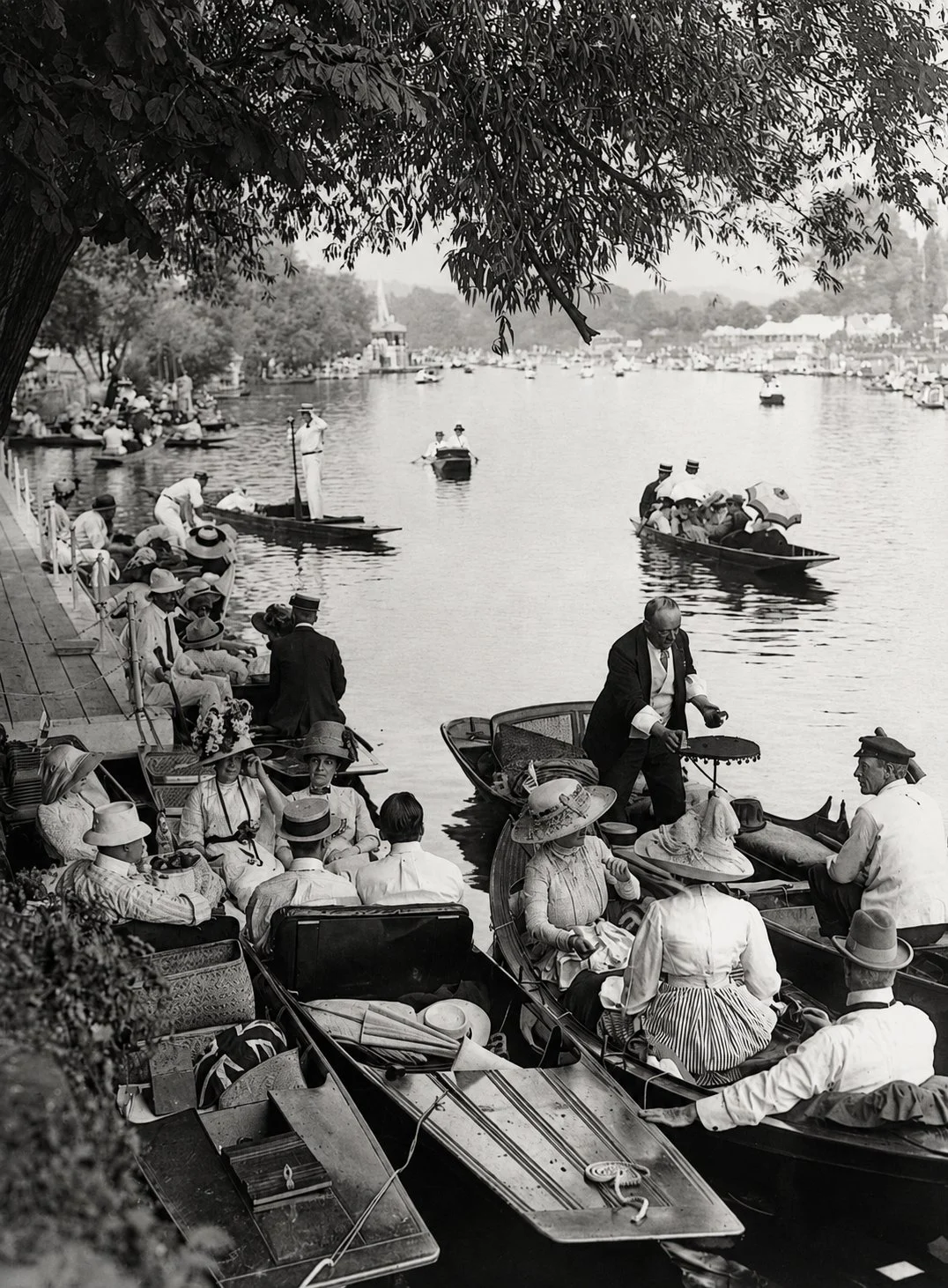
Henley Regatta, 1911
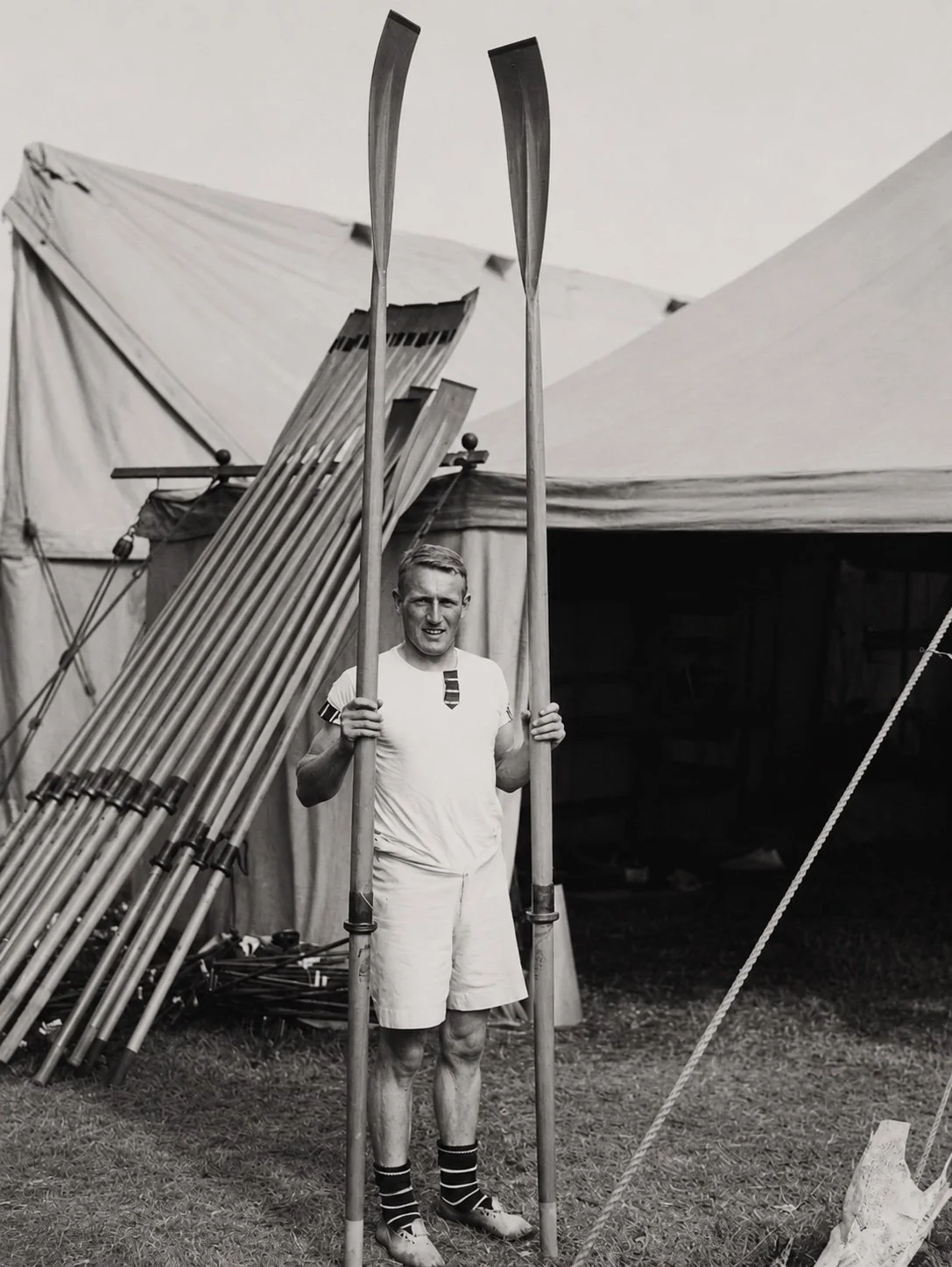
Jack Beresford (1899 - 1977) was the outstanding British oarsman and sculler of the 1920’s & 1930’s.
YET THE ENDURING APPEAL OF ROWING IS NOT FOUND SOLELY IN ITS HISTORY,
but in the values it continues to embody. At its heart, rowing is a pursuit of mastery, one that rewards discipline, perseverance and a commitment to continual improvement. These qualities have long occupied a special place within British culture, appearing in everything from craftsmanship and tailoring to gardening and country life.
Sir Steve Redgrave, one of Britain's greatest rowers, once described his philosophy simply: "It's all about personal bests." It is a sentiment that captures something deeper than sporting ambition: the belief that excellence is not a final destination, but a continual pursuit. In many ways, this commitment to improvement lies at the heart of British heritage itself; a respect for skill, discipline and enduring quality that transcends generations.
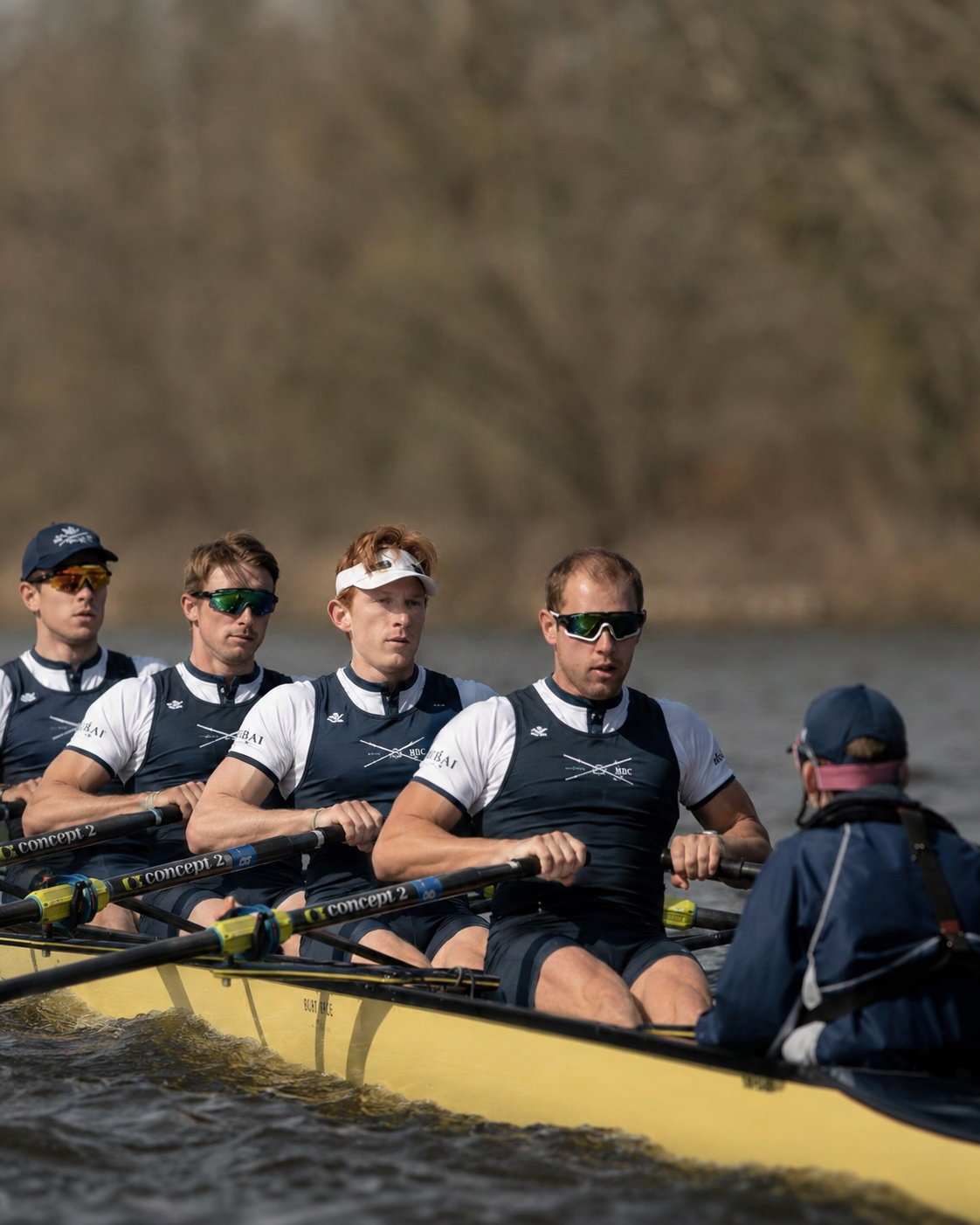
The Oxford - Cambridge Boat Race
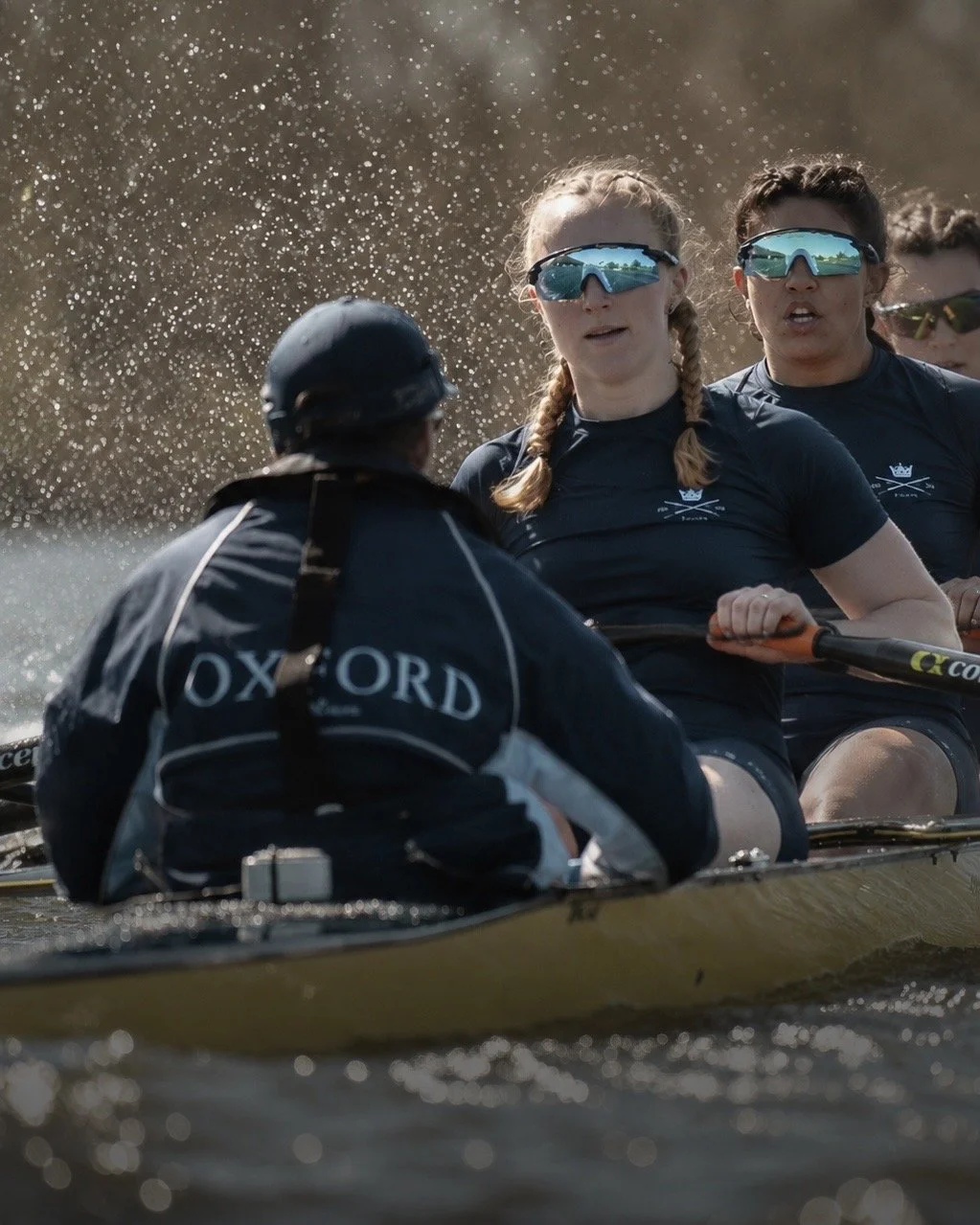
The Oxford - Cambridge Boat
It is these same qualities that continue to resonate today. The pursuit of excellence, the satisfaction of mastery and the belief that worthwhile things are achieved through patience, skill and dedication remain deeply woven into our understanding of British heritage. The image of a rower on the water is therefore not simply decorative; it has come to symbolise a distinctly British ideal; one of discipline, purpose and enduring excellence.